

Root canal therapy: separating fact from fear
Root canal treatment saves teeth that would otherwise be lost to deep decay or infection. Here is what actually happens and why modern care is more comfortable than reputation suggests.

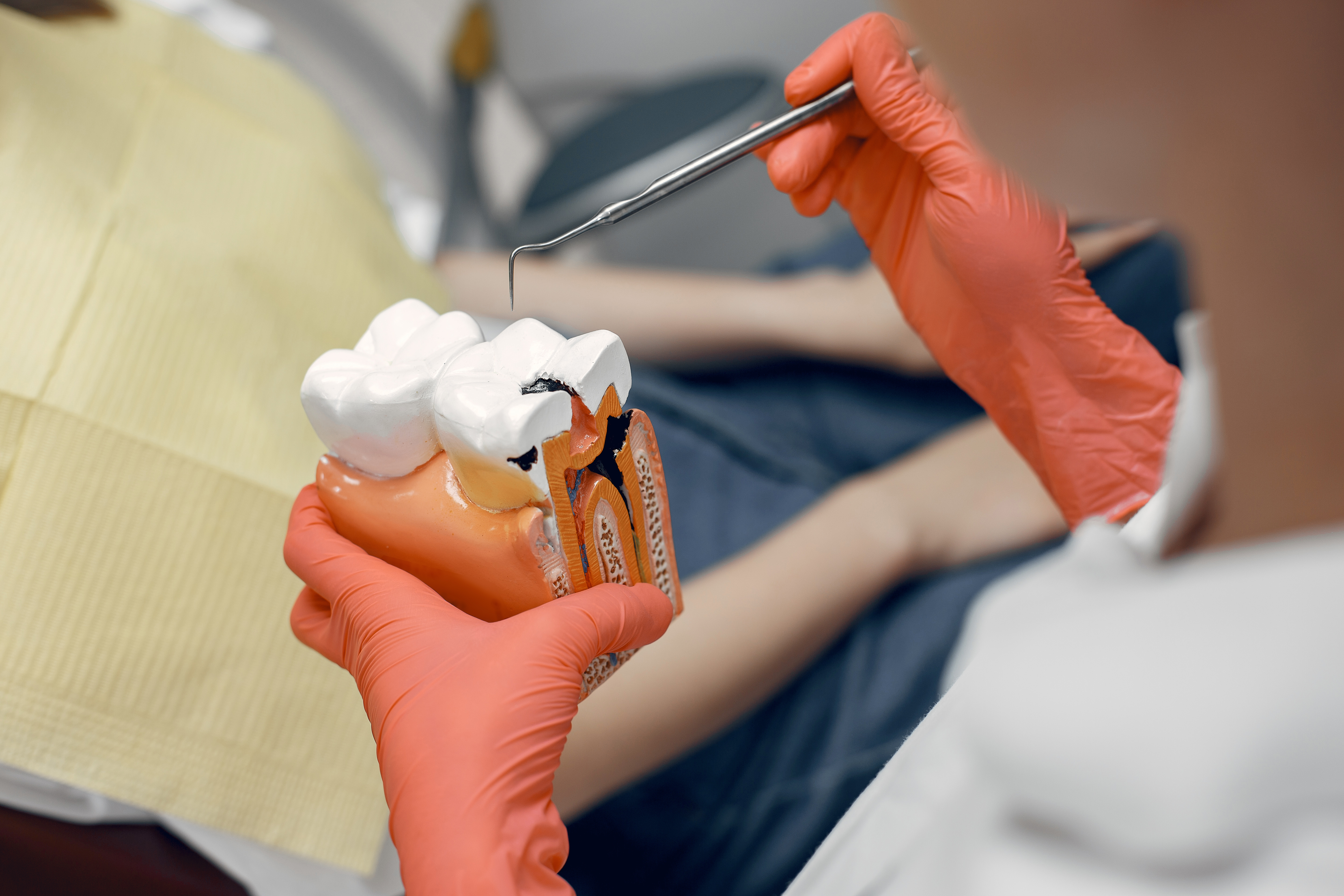
Root canal treatment (RCT) removes infected or inflamed pulp from inside the tooth, cleans and shapes the canals, then seals them. A crown or other restoration usually follows to protect the tooth.
Myth: “It is incredibly painful”
With local anaesthesia, the procedure should feel similar to a deep filling. Pain often comes before treatment from the abscess or inflamed nerve; RCT relieves that source.
Myth: “Extraction is always simpler”
Removing a tooth creates a gap that can shift bite and bone over time. Replacing a tooth with an implant or bridge has its own timeline and cost. Saving a natural tooth is often the conservative choice when the tooth can be restored predictably.
Aftercare
Avoid chewing hard foods on the tooth until the final restoration is placed. Attend follow-up X-rays if your endodontist recommends them.
If you have lingering sensitivity or swelling, do not wait — early care usually means simpler treatment.