

Clear aligners vs fixed braces: choosing what fits your life
Aligners and traditional braces both straighten teeth, but they suit different bites, lifestyles, and discipline levels. Here is how to think about the choice.

Orthodontic treatment is not only about aesthetics; aligned teeth are easier to clean and can improve bite comfort. In many practices today, patients can choose between clear aligners and fixed braces.
Clear aligners
Removable trays are changed on a schedule to gradually move teeth. They work best when worn 20–22 hours per day and suit mild to moderate crowding or spacing in compliant patients.
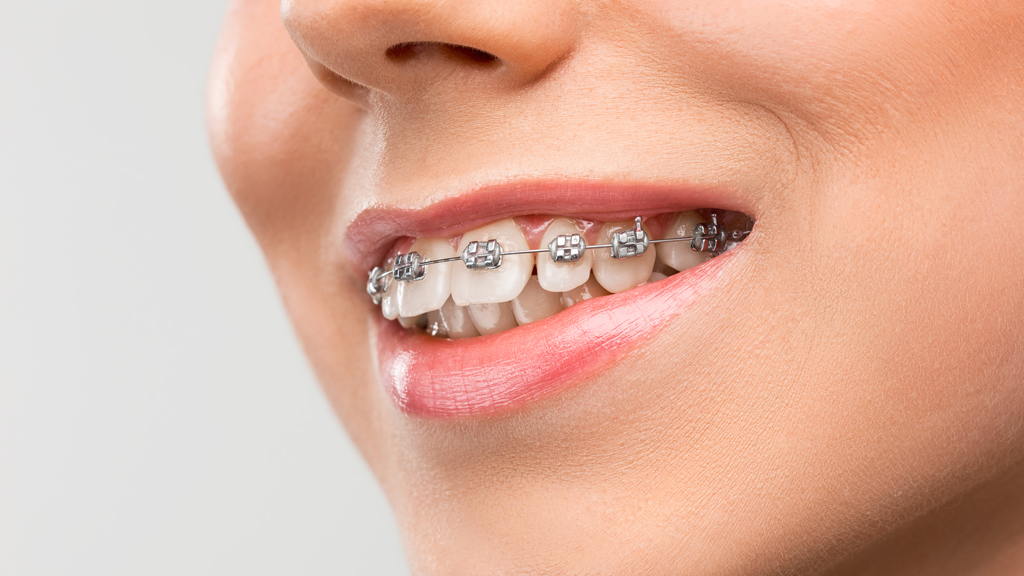
Fixed braces
Brackets and wires offer continuous force and are often better for complex rotations, significant bite changes, or cases that need precise three-dimensional control.
What your orthodontist weighs
- Severity and type of malocclusion
- Age and growth (for children and teens)
- Oral hygiene habits and risk of decay
- Your preference for visibility and maintenance
Keeping treatment on track
Whether you choose aligners or braces, regular appointments and good cleaning around appliances prevent staining and gum inflammation.
The “best” option is the one that matches your clinical needs and the level of day-to-day commitment you can sustain.